A REVIEW ON THE POTENTIAL OF INDONESIAN NATURAL FIBERS AS BALLISTIC COMPOSITE MATERIALS
DOI:
https://doi.org/10.15294/jptm.v25i02.35870Keywords:
Ballistic, natural fibre, SiO₂, CNT, SiCAbstract
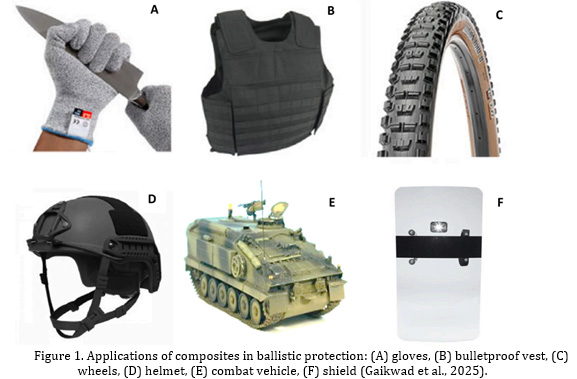
Ballistic composites are key materials in protective applications designed to absorb and dissipate the impact energy of projectiles. Currently, the reliance on synthetic materials such as aramid fibers (Kevlar) and ultra-high molecular weight polyethylene (UHMWPE) faces challenges including high production costs, environmental impact, and import dependency. Indonesia, with its abundant natural fiber resources such as ramie, abaca, bamboo, and sisal, has great potential to develop sustainable and self-reliant ballistic composite materials. This review aims to systematically examine the potential of Indonesian natural fibers as ballistic composite materials by analyzing their mechanical properties, comparing them with ballistic requirements, and identifying key challenges and development strategies. The study concludes that although natural fibers exhibit promising mechanical properties, they face major limitations such as hydrophilic nature and variability in characteristics. However, chemical treatments and surface engineering (such as reinforcement with SiO₂, CNT, or SiC) have been shown to improve fiber–matrix interfacial performance, thereby opening opportunities for the utilization of Indonesian natural fibers in effective and environmentally friendly ballistic composites.